
IMPRES Surgical Epilepsy Breakout Session
Presented by:
Date
Saturday, June 27, 2:30 p.m. – 5:00 p.m. (rotating stations)
Location
Lady Bird Ballroom | West End (2nd Floor)
Coordinator
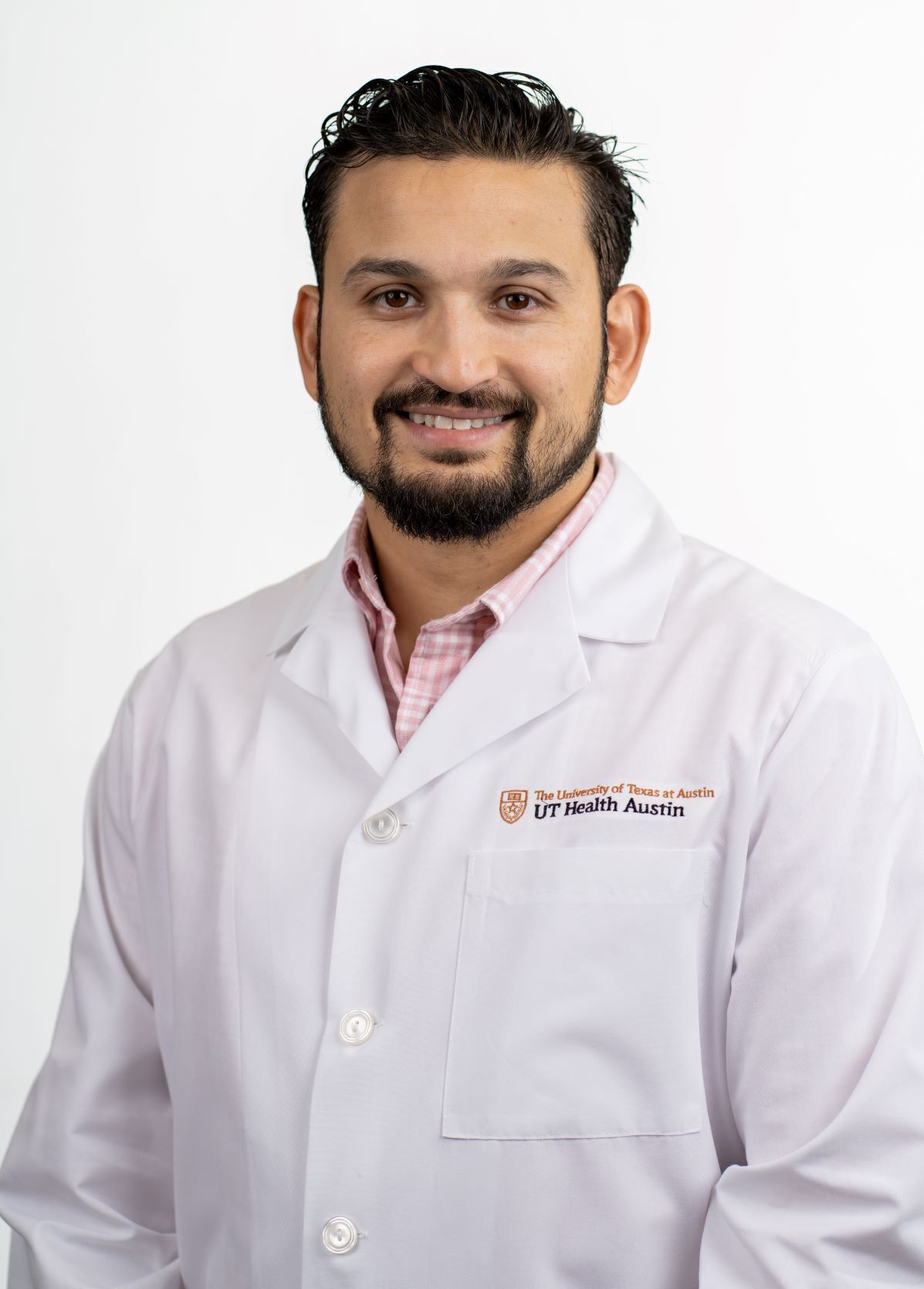
M. Omar Iqbal, MD, Dell Children's Medical Center
Stations
Station One: sEEG
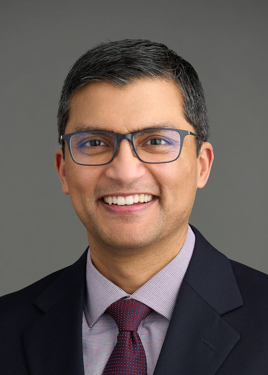
Raheel Ahmed, MD, PhD, UW Health
Partners: Brainlab, PMT, & ZimmerBiomet
This station provides a practical framework for planning and performing sEEG. Attendees will learn how to generate hypotheses, design electrode trajectories, and avoid vascular structures using advanced imaging. The session will also cover implantation techniques, troubleshooting signal acquisition, and basic interpretation of sEEG data to guide subsequent surgical decision-making.
Station Two: Neuromodulation
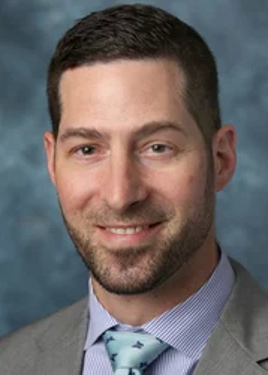
Jeffrey Raskin, MS, MD, Lurie Children's Hospital
Partners: Medtronic, LivaNova, & NeuroPace
This station introduces the role of neuromodulatory therapies in drug-resistant epilepsy, including vagus nerve stimulation, responsive neurostimulation, and deep brain stimulation. Faculty will discuss indications, patient selection, device implantation basics, and initial programming strategies. Real-world cases will highlight how neuromodulation fits within the broader surgical algorithm and how to optimize outcomes over time.
Station Three: Disconnection (Corpus Callosotomy, Hemispherotomy)
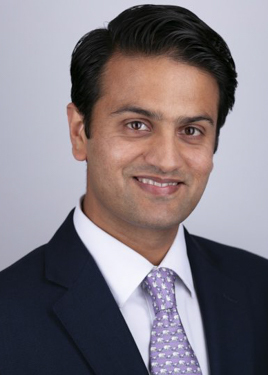
Zubair Tahir, MBBS FCPS, Great Ormond Street Hospital, UK
Partners: Surgical Theater & Stryker
This station focuses on the principles and technical execution of disconnective procedures for epilepsy, including hemispherotomy and corpus callosotomy. Using immersive virtual reality headsets, participants will walk through a representative case step-by-step, gaining a three-dimensional understanding of anatomical corridors and disconnection strategies. Faculty will highlight patient selection, key landmarks, and techniques to minimize complications such as hydrocephalus and incomplete disconnection, with case-based discussion to reinforce decision-making and operative nuances.
Station Four: Resection (Lobectomy)
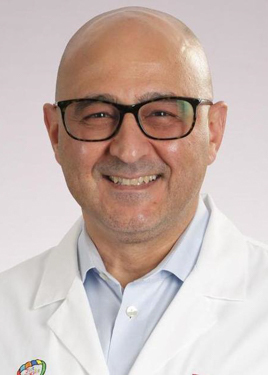
Ian Mutchnick, MD, Norton Children’s
Partners: Surgical Theater & Stryker
Participants will explore tailored resective epilepsy surgery, from lesion localization to operative planning and execution. This station will incorporate hands-on materials designed to simulate tissue handling and provide a realistic feel for subpial resection techniques. Faculty will cover approaches to common pathologies such as focal cortical dysplasia and mesial temporal sclerosis, emphasizing safe margins, preservation of eloquent cortex, and technical precision to optimize seizure outcomes while minimizing morbidity.
Station Five: Ablation
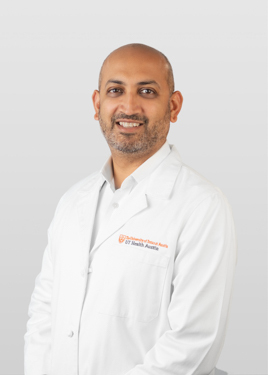
Dhruve Jeevan, MD, MA, Dell Children’s Medical Center
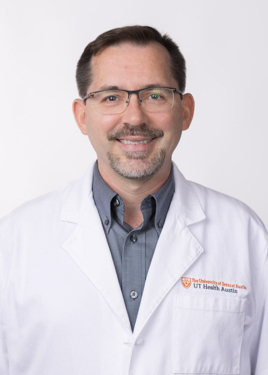
Jon Willie, MD, PhD, Ascension Medical Group Seton Neurosurgery
Partners: Monteris & DIXI Medical
This station focuses on minimally invasive ablative techniques, including laser interstitial thermal therapy (LITT) and radiofrequency (RF) ablation. Participants will review patient selection, trajectory planning, and intraoperative workflows, including thermal monitoring and lesion assessment. Faculty will emphasize technical nuances, complication avoidance, and how these approaches compare with open surgical options in achieving seizure control.