Dell Medical School

Leadership Starts Here: Faculty Development Workshop Series


Elevating Emerging Leaders at Dell Med

Designed for Dell Med faculty actively engaged or aspiring to team leadership roles, including those advancing Dell Med’s clinical care, education, and research mission pillars. The monthly workshop series will provide space for faculty to learn and exercise leadership competencies related to self, interpersonal relationships and complex academic healthcare organizations.

About the Program

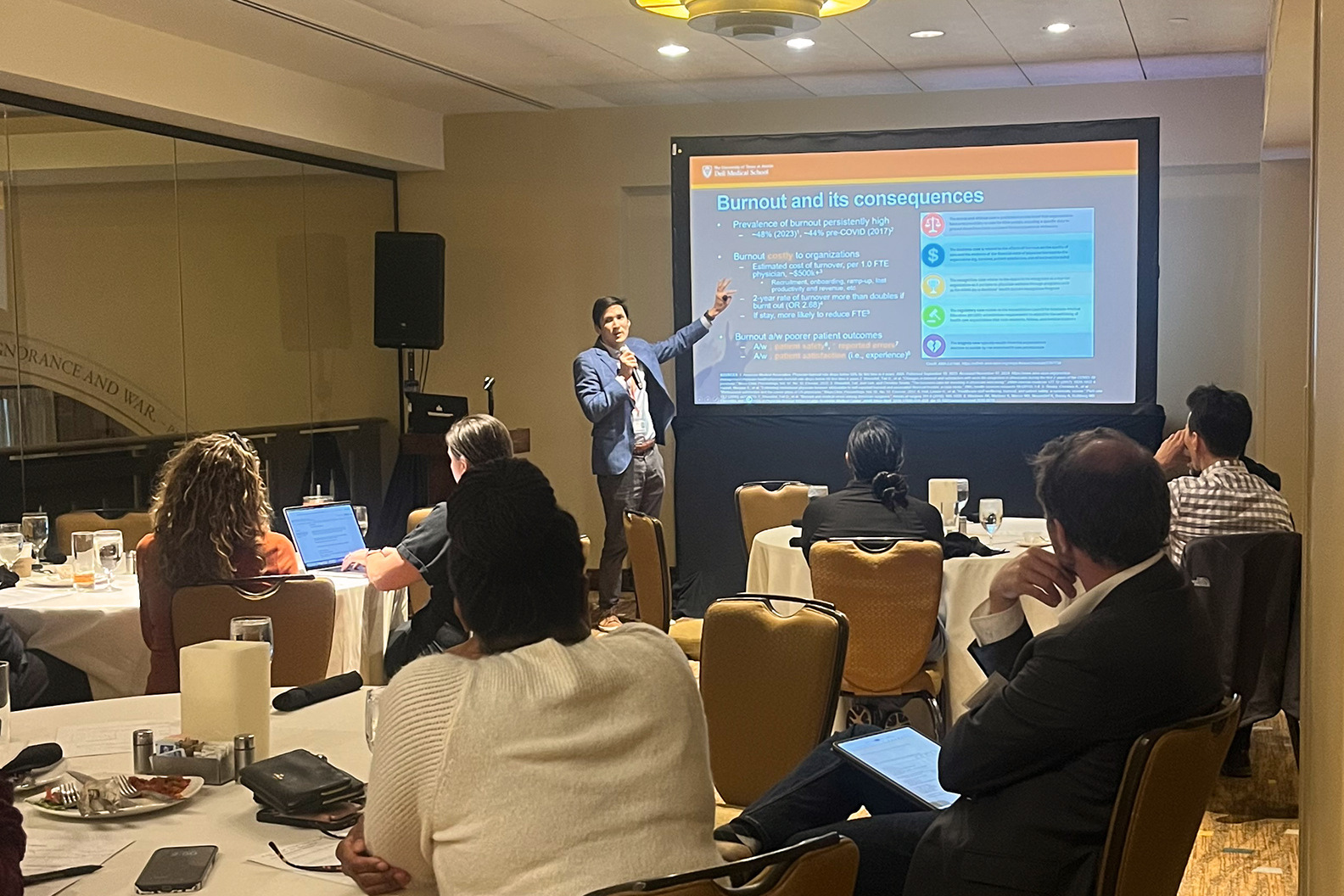
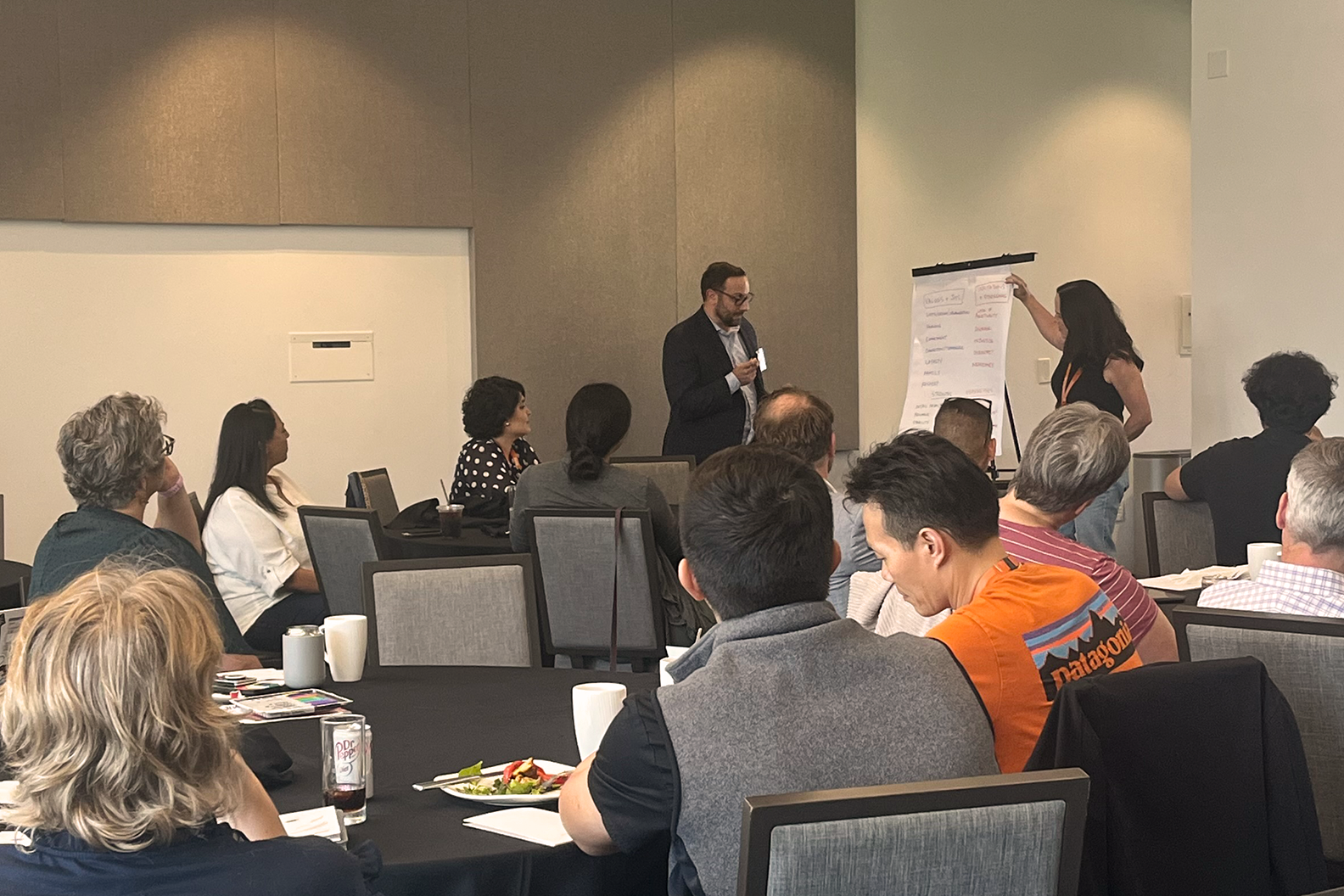
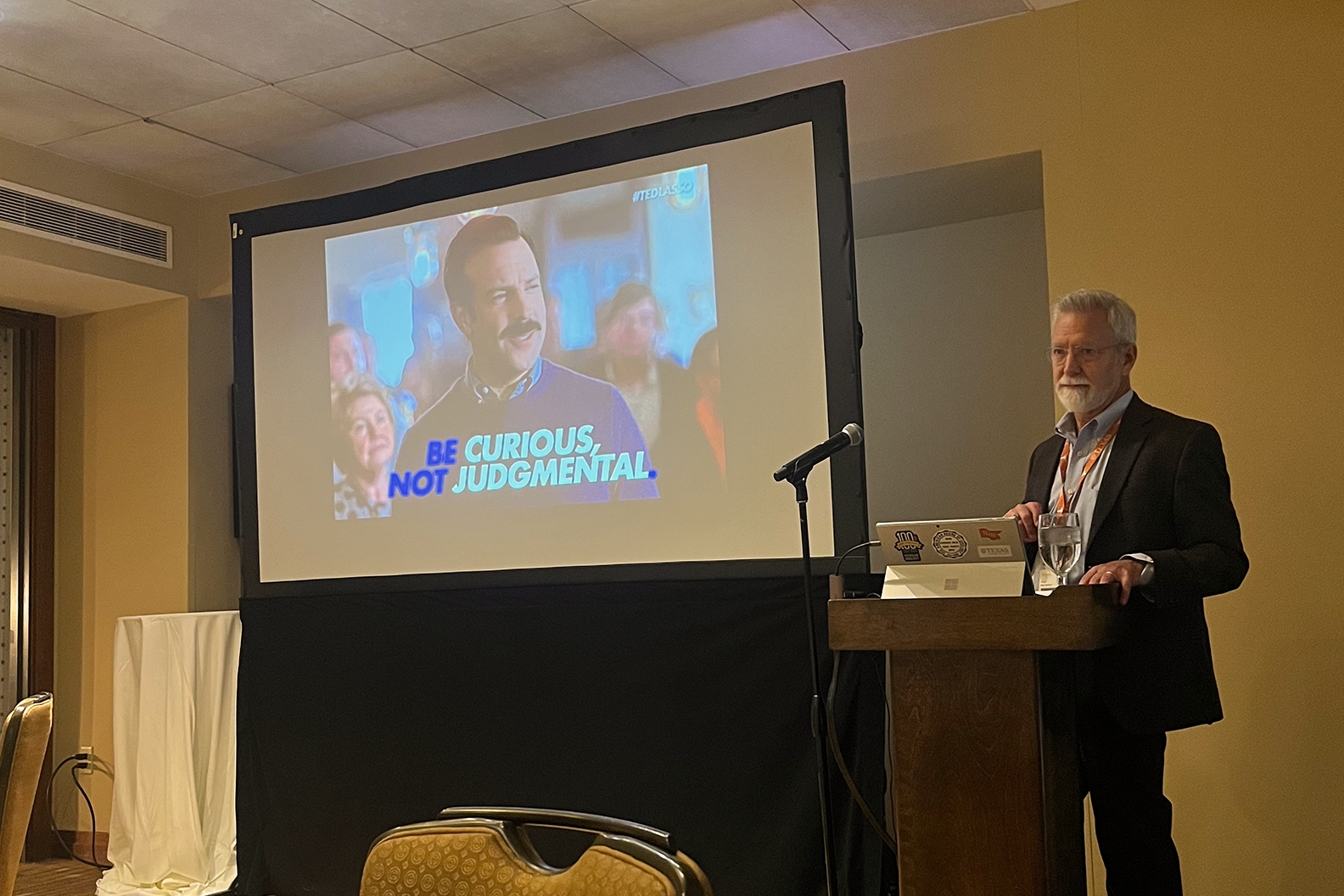
Leadership Starts Here is a cohort‑based faculty development program designed to support academic physician faculty who are interested in strengthening their leadership skills. The program combines monthly interactive workshops led by invited facilitators with Leadership Grand Rounds, an applied learning forum where participants explore real leadership challenges drawn from academic and clinical environments. Workshop sessions introduce core leadership topics such as communication, values‑based decision‑making, team dynamics, and navigating complex academic health systems. Leadership Grand Rounds provides a structured space for peer learning, reflection, and shared problem‑solving. Together, these components foster leadership growth while building connection and community across the faculty cohort.


Fall 2026 Workshops

In addition to monthly Leadership Grand Rounds, participants will participate in monthly workshops centering key leadership competencies with invited facilitators.

August 20, 2026, 1-3pm, Health Learning Building, HLB 5.201

Goals & Learning Objectives

The goal of the session is to foster early relationship‑building, shared purpose, and psychological safety within the new cohort while introducing key program expectations.

Objectives:

  • Build initial rapport and trust among cohort members to support year‑long collaboration.
  • Clarify program structure, expectations, and learning commitments.
  • Strengthen participants’ sense of identity as emerging leaders within Dell Med.
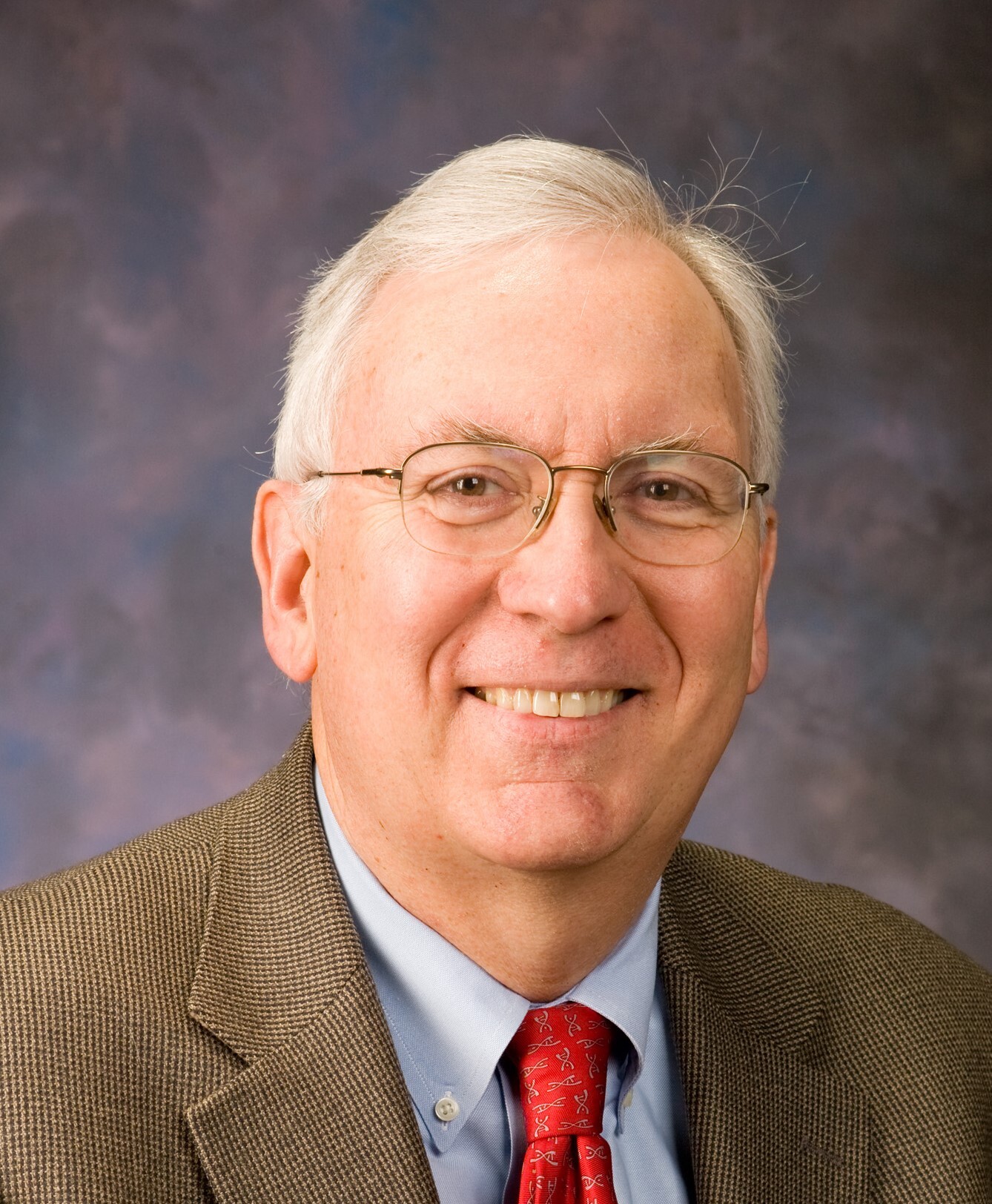
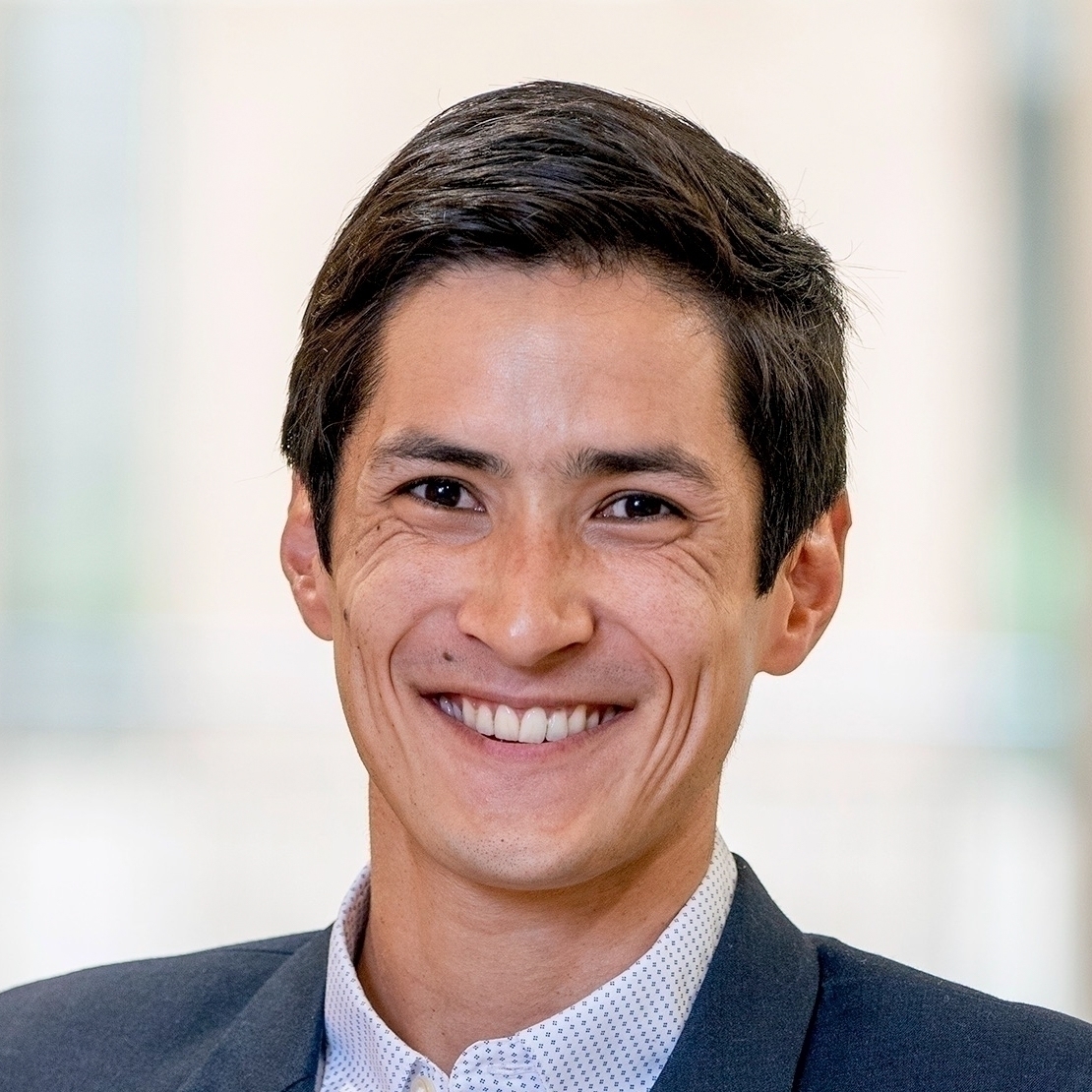
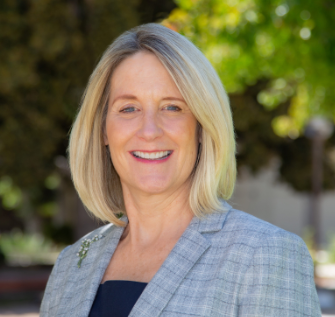
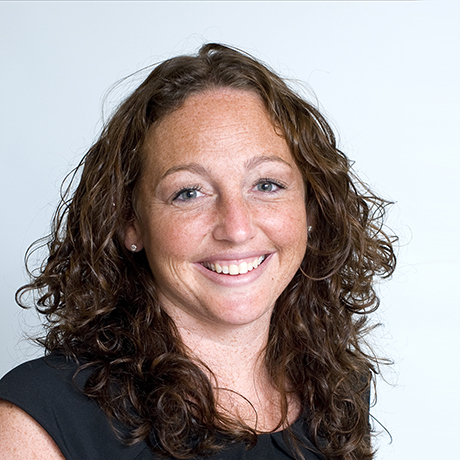
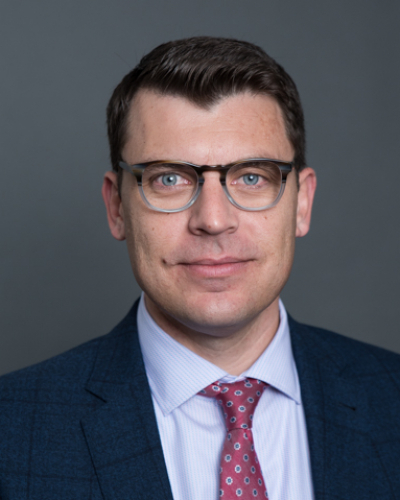
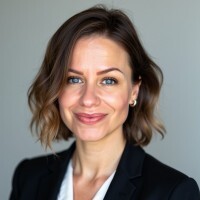
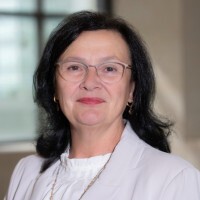
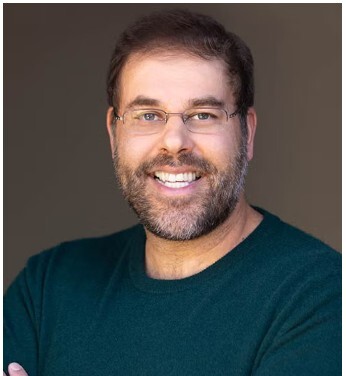
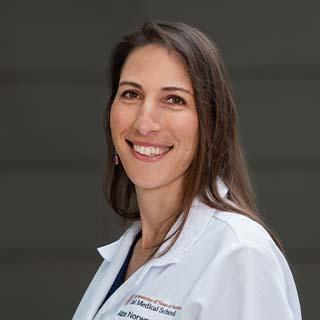
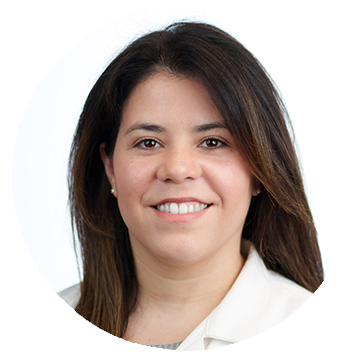
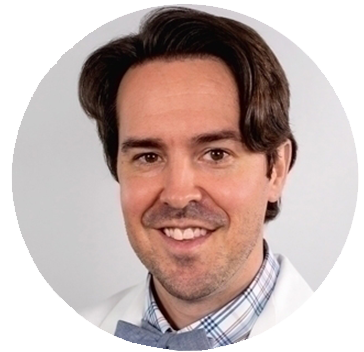
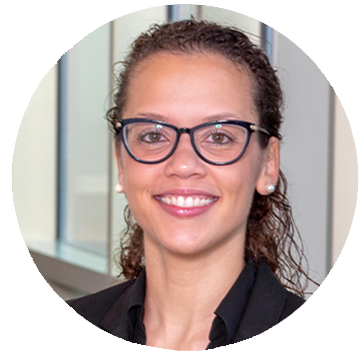
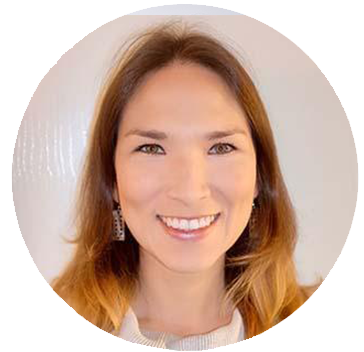
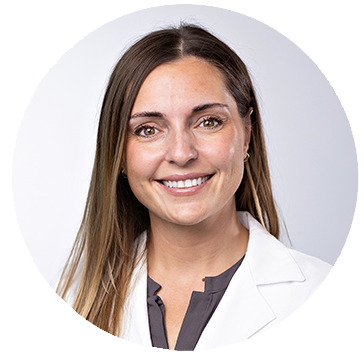
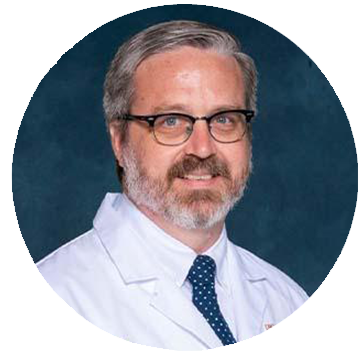
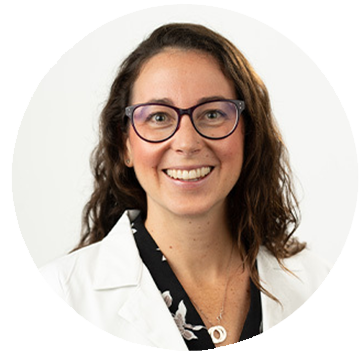
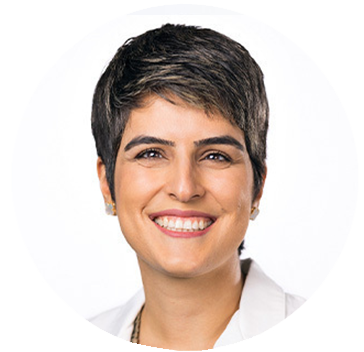
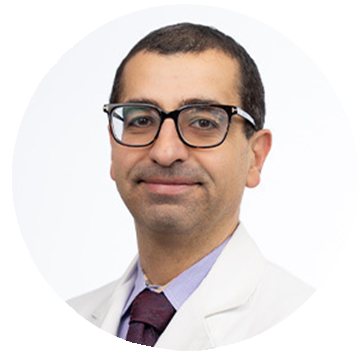
  • Create space for informal dialogue with facilitators Greg Wallingford. M.D., MBA, E. Steve Roach, M.D. and Ashleigh Moses, M.S., M.A.

Session Facilitators

September 24, 2026, 1-3pm, Health Learning Building, HLB 5.201

Goals & Learning Objectives

Medical education and training traditionally incorporate bioethics curriculum focused on foundational ethical principles and professionalism, primarily in the context of direct patient care and research. Alongside that content, there has been increased attention to physicians’ experience of moral injury; harm that results from the conflict between their professional ethics and the values imposed on them by their leaders and organizations. While many leadership development programs focus on building management and technical skills, fewer focus on the adaptive leadership needed to establish an organizational culture rooted in ethics and in values-guided moral courage. Understanding that physicians exercise leadership through formal and informal roles, this workshop will explore content relevant to individuals at any stage in their career.

Objectives:

  • Describe foundational bioethical principles and moral courage, and their relationship to effective leadership.
  • Consider how application of those principles supports optimizing organizational culture, improving healthcare quality, safety, and access, and advancing population health.
  • Provide an approach for assessing one’s own ethics and moral leadership.
  • Engage in leadership self-reflection through an interactive case study.

Session Facilitator

October 15, 2026, 1-3pm, Health Learning Building, HLB 5.201

Goals & Learning Objectives

The goal of the session is to enhance participants’ confidence in applying leadership‑aligned communication strategies across clinical, academic, and organizational contexts.

Objectives:

  • Identify communication behaviors that strengthen clarity, influence, and trust.
  • Practice adapting communication style to audience, power dynamics, and context.
  • Strengthen skills for navigating difficult conversations with professionalism and empathy.
  • Explore methods for communicating vision and expectations as a formal or informal leader.

Session Facilitator

November 19, 2026, 2-4pm, Health Learning Building, HLB 5.201

Goals & Learning Objectives

The goal of the session is to strengthen participants’ ability to use coaching as a leadership tool—supporting the growth, clarity, and autonomy of rising faculty and staff while fostering a culture of continuous development within Dell Med.

Objectives:

  • Develop an understanding of foundational coaching principles and how they differ from advising, mentoring, and supervising.
  • Strengthen leaders’ skills in active listening, powerful questioning, and reflective dialogue to support learner‑driven growth.
  • Practice structured coaching models (e.g., GROW, CLEAR) to guide rising leaders in identifying goals, obstacles, and actionable next steps.
  • Enhance participants’ confidence in coaching conversations that promote self‑awareness, accountability, and performance improvement.
  • Learn strategies for embedding coaching habits into day‑to‑day leadership practices to cultivate a supportive development culture across teams.

Session Facilitator

December 10, 2026, 2-4pm, Health Learning Building, HLB 5.201

Goals & Learning Objectives

The goal of the session is to increase participants’ confidence and competence in delivering constructive, timely, and actionable feedback that promotes growth and accountability.

Objectives:

  • Practice evidence‑based feedback models (e.g., SBI, feed‑forward, coaching‑oriented methods).
  • Strengthen abilities to navigate resistance, defensiveness, or emotional responses to feedback.
  • Apply techniques for giving upward, peer‑to‑peer, and downward feedback.
  • Promote a culture of continuous improvement through regular, equitable feedback practices.

Session Facilitator


Spring 2027 Sessions

Workshop learning objectives and facilitator information is included below (click on speaker names to see bios).

January 21, 2027, 1-3pm, Health Learning Building, HLB 5.201

Goals & Learning Objectives

This interactive session will explore the essential leadership skills of knowing when to compromise and when to stand firm, with a focus on practical strategies for problem solving in academic medicine. Through a combination of didactic content and small-group discussions, participants will examine real-world scenarios, analyze the balance between flexibility and adherence to core values, and apply structured problem-solving frameworks such as Lean A3 and PDCA. Attendees will leave with actionable tools to foster collaboration, uphold ethical standards, and effectively navigate complex challenges as emerging physician leaders.

Objectives:

  • Distinguish between situations that call for compromise versus those that require standing firm, and articulate the leadership principles underlying each approach.
  • Apply structured problem-solving methodologies (e.g., Lean A3, PDCA) to address complex challenges in academic and clinical environments.
  • Demonstrate enhanced skills in collaboration, active listening, and adaptability to achieve win-win solutions while maintaining integrity and ethical boundaries.

Session Facilitator

February 18, 2027, 1-3pm, Health Learning Building, HLB 5.201

Goals & Learning Objectives

This goal of the session is to increase participants’ confidence in engaging with financial discussions at their institutions and understanding how our financial model impacts strategic decision-making at a high level.

Objectives:

    • Enhance faculty understanding of the principles and structure of funds flow in academic medicine
    • Promote informed decision-making and collaboration between clinical, research, and educational missions
    • Foster financial literacy and accountability among faculty leaders
    • Provide a high level overview of Dell Medical Funds Flow
    • Appreciate the balance of financial decisions Department Chairs navigate

Session Facilitator

March 18, 2027, 1-3pm, Health Learning Building, HLB 5.201

Goals & Learning Objectives

This goal of the session is to increase participants’ confidence in engaging with financial discussions at their institutions and understanding how our financial model impacts strategic decision-making at a high level.

Objectives:

    • Enhance faculty understanding of the principles and structure of funds flow in academic medicine
    • Promote informed decision-making and collaboration between clinical, research, and educational missions
    • Foster financial literacy and accountability among faculty leaders
    • Provide a high level overview of Dell Medical Funds Flow
    • Appreciate the balance of financial decisions Department Chairs navigate

Session Facilitator

April 15, 2027, 1-3pm, Health Learning Building

Goals & Learning Objectives

As a participant in this seminar, you will learn how to:

  • Leverage historical thinking for effective leadership in an evolving landscape.
  • Become a better strategic thinker in environments where priorities for change are evolving.
  • Define and guide change, even in a resistant environment or one undergoing a convergence of change efforts.
  • Anticipate future changes across your team and the school.
  • Define your self-image as a leader.

Session Facilitators

Headshot of Jeremi Suri

Jeremi Suri, PhD
Professor of Public Affairs and History
Mack Brown Distinguished Chair for Leadership in Global Affairs
LBJ School of Public Affairs

May 20, 2027, 1-3pm, Health Learning Building

Goals & Learning Objectives

The goal of the session is to honor participants’ growth, strengthen professional connections, and create a shared reflective space to consolidate learning and celebrate progress across the program.

Objectives:

  • Celebrate individual and collective accomplishments to reinforce confidence, motivation, and continued leadership development.
  • Facilitate meaningful networking among participants, program faculty, and facilitators to support ongoing professional relationships.
  • Provide structured reflection on program themes, personal insights, and skill development to deepen understanding and integrate learning into future practice.
  • Elicit participant feedback on program components to inform future improvements and sustain a culture of continuous growth.
  • Reinforce participants’ sense of community and long‑term affiliation with the faculty development ecosystem at Dell Med.

Session Facilitators


View Past Programs


FAQs

There is no cost for Dell Med faculty to participate.

The deadline for applications is February 20, 2026. All materials or fields in the application are required for consideration. Questions can be emailed to Ashleigh Moses, associate director for the Office of Faculty Academic Affairs (OFAA).

Eligible faculty must hold a regular faculty appointment at Dell Med for at least one year (12 consecutive months) prior to applying for the program. Faculty eligible for the Leadership Starts Here program include all Dell Med faculty paid and 0%, appointed to either the professional-track (Professor or Clinical title series) or tenured/tenure-track promotion pathways. All award recipients must be in good standing with the university.

Generally, we are looking for an endorsement or support of your readiness for the program you are applying to (for instance, do the specific skills and training align with skills needed at an earlier career stage?), attestation of your engagement with your broader division and department to ensure skills are leveraged to grow your engagement in work already in progress, and a vision for how the skills and topics included in the training would be translated to your work at Dell Med (something that shows you've discussed the opportunity with them and they understand how it relates to your work).

Yes. If an application does not include required materials, the application will not be reviewed or considered. This includes a copy of the faculty member's CV, a 500-word statement, letter of support, and all fields included in the application form.

You will be asked if you anticipate any absences during the program, and the reason (on nights, PTO, parental leave, board testing, etc.) please communicate proactively with program contacts to stay in good standing with the program. Participants are required to attend at least 80% of the workshops to receive a completion certificate.

No, sessions will not be recorded and all sessions are in-person only with no hybrid participation option.